
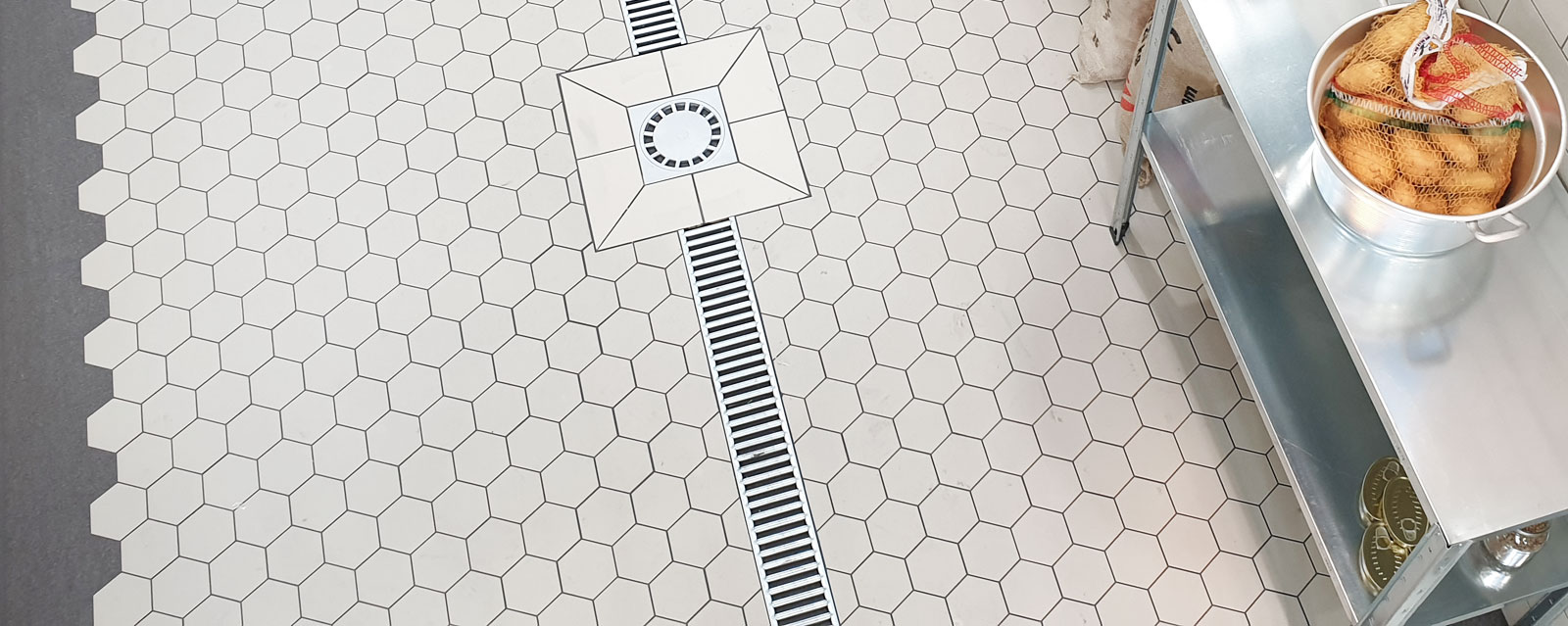
Hygienic, Safe Surfaces Compliant with HACCP Regulations
Every facility in the food industry involved in processing, packaging, or storage must ensure hygienic, safe and easily sanitizable environments. This is why choosing the right industrial flooring is a strategic decision: unsuitable surfaces that are difficult to clean or not resistant to chemical agents can compromise food safety and increase the risk of contamination. For a food-industry operator, flooring must be considered an investment, not a cost.
Full-body technical porcelain stoneware floors by Cipa Gres, combined with INDUSTRIA PROEPOXI grouting by Cipa Gres, are designed to meet the hygienic and sanitary standards required in the food sector, offering maximum mechanical and chemical resistance and easy cleaning, even in complex processing environments or humid conditions.
Industrial Flooring for Food Companies: The Advantages of Certified Solutions
Choosing a certified industrial flooring system for the food sector means obtaining:
- HACCP compliance: each flooring system meets European hygiene standards for food environments.
- Maximum daily hygiene: continuous, non-porous and sealed surfaces that prevent bacterial growth.
- Fast and thorough sanitation: technical porcelain stoneware resistant to aggressive detergents and professional disinfectants.
- High mechanical strength: ideal for areas with forklift traffic, heavy loads and continuous handling.
- Chemical and acid resistance: floors designed for environments exposed to organic acids, fats, oils and sugars.
- Long-term durability: fewer extraordinary maintenance interventions, greater safety and lower operating costs.
Are you a Technical or Plant Manager in the food industry, or a Facility Manager in food & beverage plants?
Choose Cipa Gres technical porcelain stoneware.
.jpg)
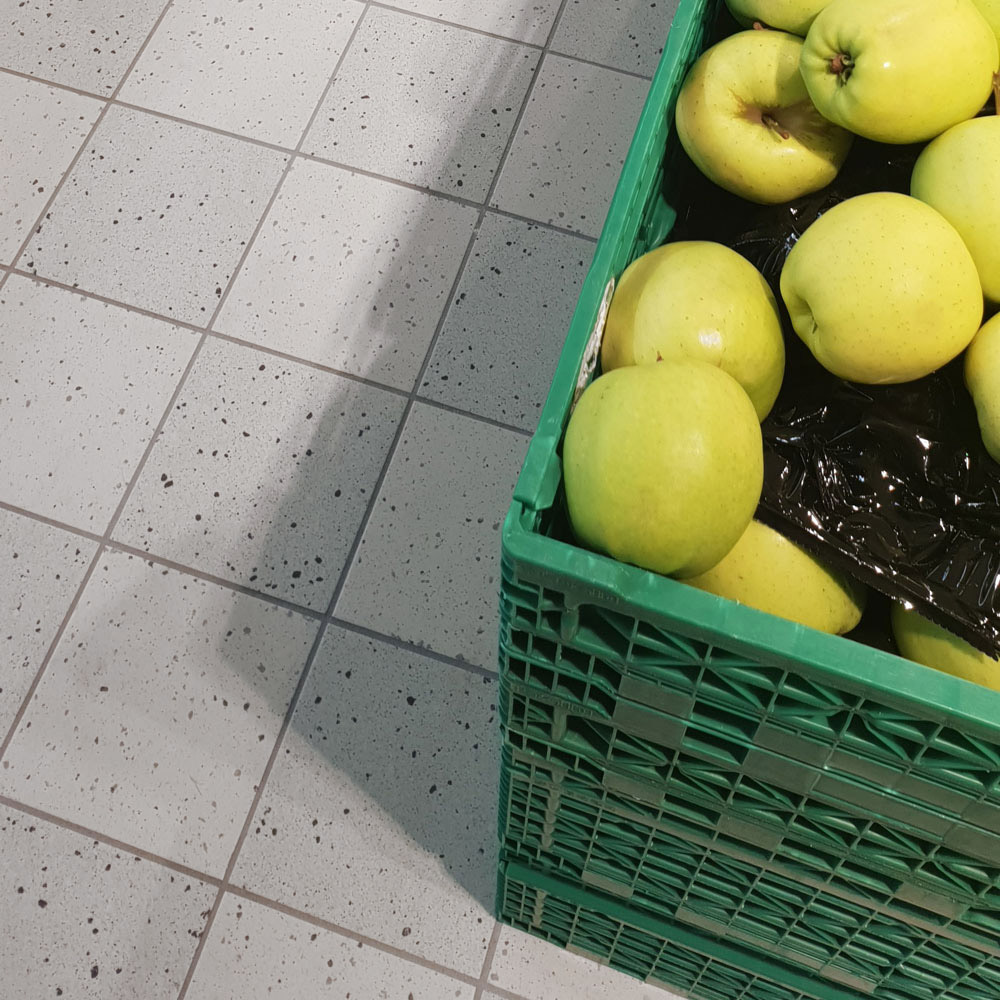
HACCP Flooring for Food-Industry Facilities
Every area of the food supply chain requires specific solutions. Our flooring systems are suitable for:
- Food production plants: continuous, waterproof floors for processing areas.
- Processing and packaging industries: washable surfaces resistant to detergents and thermal shock.
- Dairies, cured-meat factories and slaughterhouses: anti-slip, acid-resistant flooring ideal for humid and greasy environments.
- Breweries, wineries and beverage industries: surfaces resistant to acids, sugars and organic residues, offering maximum durability against aggressive liquids.
- Food warehouses and logistics: floors resistant to impacts, heavy loads and temperature variations.
Also available in a technical hexagonal format, our floors ensure maximum grip and seamless continuity across processing and storage areas.
From Design to Installation
Choosing Cipa Gres means relying on a technical partner who supports you through every step:
- 1. Facility analysis
Assessment of hygienic and operational requirements.
- 2. Technical consulting
Selection of the most suitable technical porcelain flooring system according to processes and regulations.
- 3. Custom design
Development of tailored solutions in technical porcelain stoneware.
Certified Installation Systems
The quality of a floor for the food industry also depends on the correct sealing and grouting of surfaces. This is why Cipa Industrial Service offers professional systems specifically designed for environments with strict hygiene regulations:
- INDUSTRIA PROEPOXI – two-component epoxy grout for chemical-resistant installation and joints, washable with water during application. It ensures high adhesion, waterproofing and chemical resistance to acidic, basic and saline substances. Classified as R2T (EN 12004) and RG (EN 13888), it is ideal for flooring in food and pharmaceutical industries and for environments subject to frequent washing or high temperatures.
- INDUSTRIA EPOFLEX 03 JOINT – flexible epoxy-polyurethane sealant for industrial expansion joints, resistant to vibrations, temperature fluctuations and high-pressure cleaning. Ideal for food, chemical and logistics industries, it guarantees elasticity and perfect sealing in the presence of substrate micro-movements or temperature variations.
Both systems ensure long-lasting installation, total waterproofing and resistance to aggressive agents, contributing to the overall HACCP compliance of the flooring.
- Post-installation support: Cipa Industrial Service provides professional maintenance and cleaning products that allow any type of processing residue to be removed, and enable ongoing monitoring and maintenance to ensure maximum performance and hygiene at all times.
Do you run a design studio or work as an HACCP consultant?
Contact us and discover why you should recommend our full-body porcelain stoneware to your clients.
Chemical Resistance and Hygiene Requirements for the Food Industry
In the food sector, flooring must withstand not only mechanical loads but also the main organic chemical agents present in production processes. Cipa Gres acid-resistant technical porcelain stoneware floors, combined with the installation and grouting systems by Cipa Industrial Service, ensure maximum performance even when exposed to aggressive substances such as:
- Lactic acid (milk, yogurt and cheese processing);
- Acetic acid (fermentation and preservation processes);
- Citric acid (beverage and detergent industry);
- Vegetable or animal oils and fats, which can alter traditional grout;
- Sugars and salts, which encourage corrosion and surface wear.
These conditions require flooring that is:
- low-porosity, to prevent absorption and bacterial proliferation;
- waterproof and acid-resistant, compliant with EN 13813, EN 12004 and EN 13888;
- washable with alkaline or acidic detergents, without color or structural alteration;
- resistant to thermal shock and high-pressure washing, typical of food-industry plants.
Full-Body Acid-Resistant Flooring for the Food Industry
Do you want to make your working environments safer, more hygienic and HACCP compliant? Rely on Cipa Gres expertise and discover the industrial flooring solution best suited to your needs.
Contact us and request a consultation for your production facility.FAQ — Certified Industrial Flooring for the Food Sector
1. What characteristics must a floor for the food industry have?
It must be continuous, waterproof, acid-resistant and easy to sanitize according to HACCP standards.
2. What is the difference between technical porcelain stoneware and glazed porcelain in the food sector?
Technical porcelain is full-body, non-absorbent and more resistant to chemicals and impact.
3. Are Cipa Gres floors compliant with European standards?
Yes, they comply with European standards and with CAM criteria for sustainable construction.
4. How does technical porcelain react to organic acids such as lactic, acetic or citric acid?
It maintains stability and color thanks to its low porosity and certified epoxy sealing. Cipa Gres porcelain is certified to resist all acids except hydrofluoric acid.
5. Are these floors suitable for cold rooms or areas with temperature changes?
Yes, technical porcelain withstands low temperatures and thermal expansion, ensuring structural continuity.
6. Do Cipa Gres floors contribute to environmental sustainability?
Yes, the Cipa Gres production cycle holds EPD environmental certification (ISO 14025), runs on photovoltaic energy and includes full waste recycling.
7. Can these solutions also be used in pharmaceutical or chemical plants?
Absolutely — their chemical resistance and epoxy installation make them ideal for such environments.
8. Who can I contact for technical advice or HACCP specifications?
The Cipa Gres technical team provides support on material selection, regulations and technical documentation.
The Cipa Gres technical team works alongside designers, plant managers and HACCP consultants to define the most suitable flooring systems, in compliance with European standards and the hygiene and safety protocols required by the food industry.
In addition, Cipa Gres guarantees products certified according to the strictest international standards, developed with a responsible approach to quality, safety and environmental sustainability.